Pedro Parra Trane Itata Valley Cinsault 2023
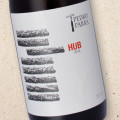

An elegant wine with aromas of red fruit and herbs. Juicy on the palate with soft tannins and vibrant acidity.
Trane is an estate-owned vineyard located in Guarilihue Alto. It was planted around 1944 and covers 0.37 hectares, with 2,128 vines. This organic vineyard produces about 3,000 kilos of grapes each year. A particularity of Trane is that approximately 5% of the grapes come from País vines.
The terroir of Trane is composed of a first horizon of very ferric silty-sandy soil, about 80 cm deep, followed by a red, ferric, and compact bedrock of about 2 metres, and finally reaching a highly decomposed rock composed of slightly ferric silty sands, light brown in colour, almost white. Quartz is abundant, with large pebbles over 2mm in size.
Vinification of Trane is carried out in cement vats, always with minimal extraction and at very low temperatures. Whole-cluster fermentation is used at 100%. Post-fermentative maceration is long, varying between 50 and 70 days. Ageing takes place in wooden casks.
Trane takes its name from one of the most important musicians in the history of jazz, capable of blending elegance, finesse, complexity, and tension all at once: John Coltrane.
| RRP | £56.99 |
| Bottle size | 75cl |
| Vintage | 2023 |
| Alcoholic strength | 13% |
| Country | Chile |
| Region | Itata Valley |
| Grapes | Cinsault 100% |
| Vegetarian | Yes |
| Vegan | Yes |
| Organic | No |
| Biodynamic | No |
| Closure | Agglomerated cork |
Pedro Parra is a renowned soil and vineyard mapping expert with a Masters and PhD in Precision Agriculture and Terroir from the Institut Agronomique National in Paris. As a consultant to many well-known wineries in the Americas and Europe, he has spent much of the past 20 years discovering new sites, digging ‘calicatas’ (pits for soil analysis) and transforming how wineries manage their vineyards. In 2013, assisted by consultant winemaker, long-term friend and business partner Alberto Antonini, Pedro released Chilean wines under his own, eponymous label. His vision was simple: to make pure wines from old bush vines in Itata, grown on granitic soils, and help the local “brave vignerons” who protected the land and vines for centuries.
The historic Chilean winemaking region of Itata, where vines were planted almost 500 years ago by Spanish missionaries, is 500 kilometres south of Santiago and characterised by cooling Pacific breezes, moderate temperatures and cloudy summers, allowing grapes to ripen steadily. The region has enjoyed a resurgence in recent years, with a new generation of winemakers like Pedro championing old vines and celebrating the region’s winemaking traditions. All grapes are hand-harvested from dry-farmed bush vines, many over 100 years old. Thanks to the strong winds in the Itata valley, there is very little disease pressure, allowing Pedro to farm organically.